
The new standard for B2B
Build your commerce stack on a pre-built foundation with commerce core, SDK, and an integrated headless CMS — so partners can start building right away instead of spending months assembling first.
Less implementation
Faster go-live
More room to innovate
Discuss your setup

Composable should give you flexibility — not force you to stitch together dozens of tiny services. We believe in a best-of-breed model: a few strong applications, connected openly, with B2B commerce logic kept in the commerce engine instead of scattered across the stack.
Pre-built foundation
Commerce core, SDK, and an integrated headless CMS — ready to build on right away.
Open by design
Use best-of-breed applications and swap them out where needed, without lock-in.
B2B logic in the core
Pricing, account structures, and business rules are built into the commerce engine as standard.

Why composable often slows you down in practice
Too many architecture decisions before you go live
B2B logic scattered across the stack
Long implementations before innovation can begin
We flip that around: the foundation is already in place, so you go live faster and innovate sooner.
"We consciously choose best-of-breed. Not an ERP that also has a web portal 'on the side'."
Arjan Oudejans — CEO, Van Vliet Healthcare
A few of the core ecommerce capabilities that ship standard out of the box.
Pricing engine
Contract pricing, customer-specific pricing, volume pricing, and promotions — handled in the core, so every buyer sees the right price automatically.
Multi-channel commerce
Run multiple sales channels, brands, or customer experiences from one backend. Launch new routes to market without rebuilding your commerce foundation.
Account hierarchies
Support parent-child account structures, approval flows, buyer roles, and business rules — the way real B2B organizations buy.
My account out of the box
Launch customer self-service faster with an account area that is ready to use — including personalized services, ordering flows, and account-specific functionality without building it from scratch.
Favorites & fast reorder
Let repeat buyers reorder from history, saved lists, and frequently bought items in a few clicks. Less friction. More repeat orders.
Open API access
Every part of your commerce data is reachable through standard APIs (REST and GraphQL). Swap any tool without limits.
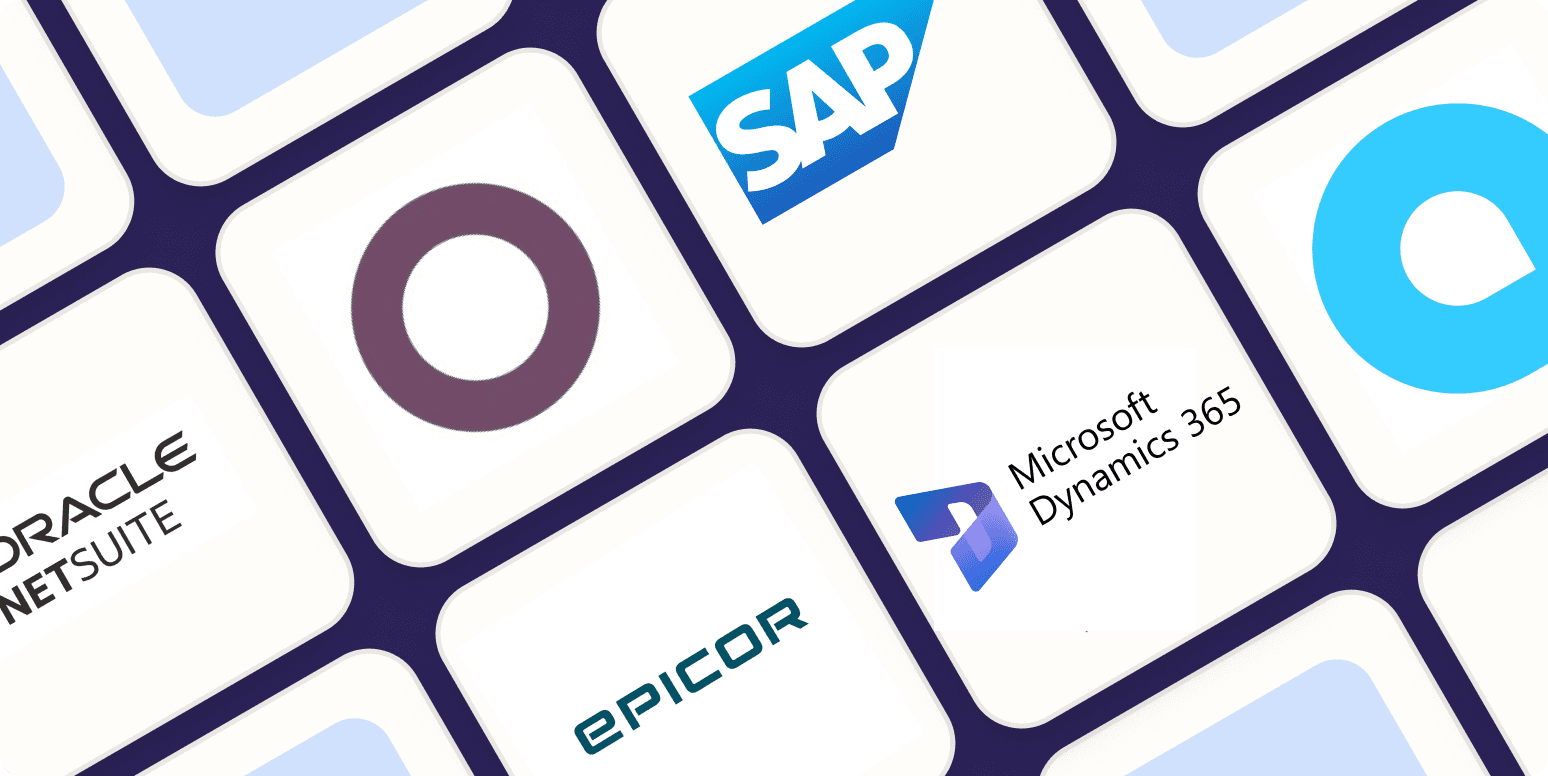
Propeller helps you launch faster and at lower cost because the foundations are already in place. Start from a pre-integrated storefront with extensive my-account capabilities, connect to ERP, PIM, CMS, search, and payments through pre-built integrations, and work with technology and implementation partners who already know how to deliver on Propeller.
✓ ERP connectors for systems like SAP and Microsoft Dynamics
✓ Integration-ready with leading PIM and CMS platforms
✓ Implementation partners with real Propeller delivery experience
Start with composable B2B ecommerce. Expand when you are ready to unify sales across channels and automate admin-heavy work with AI on the same connected data foundation.
Sales Hub
Quotations
Create, manage, and follow up on complex B2B quotes.
Approval flows
Route quotes and orders through the right checks.
CPQ
Support configurable products, pricing logic, and quoting.
AI Agents
PDF-to-order
Turn incoming PDFs into structured orders faster.
Churn alerts
Spot customer risk signals before they churn.
Product enrichment
Improve catalog data automatically at scale.


Used by B2B companies with real commercial complexity
Altec Industry uses Propeller for complex B2B selling, including quote management through Sales Hub. They are also using AI on top of Propeller's structured commerce data to automate admin-heavy work.
Let us take a look at your composable setup
FAQs
What is composable commerce?
A way of building your ecommerce stack from independent applications that connect through APIs — instead of being locked into one big monolithic platform. You can swap any piece (CMS, search, payments) without rebuilding the rest.
Is composable the same as being "API-first"?
Related, but not the same. To be composable, a platform has to make its data available to other systems through APIs. The catch is that many platforms only open up part of their data. Propeller opens up all of it — every product, price, order, and account is reachable. That's what gives you real flexibility.
How is Propeller different from Commerce Tools or Shopware?
Two main things. First, B2B is built into the core — pricing, hierarchies, approvals, and personalized catalogs come standard, so you spend less time on custom development. Second, faster go-live — we ship with a storefront framework, pre-built connectors with ERPs, PIMs, CMS etc, and a partner network that's done it before.
Do I have to replace my ERP or PIM?
No. Your ERP stays the source for customer agreements and orders. Your PIM stays the source for product data. Propeller connects to both — your existing investments stay in place.
What's the difference between B2B commerce and B2B ecommerce?
B2B ecommerce is the buying experience — your storefronts, catalogs, pricing, and orders. B2B commerce is the wider picture, including sales workflows like quoting and account servicing.
What's included as standard in your pre-built foundation?
Our pre-built foundation gives you a composable starting point that's ready to go. Instead of starting with just a commerce engine, you get the key building blocks right away to go live faster. Included as standard: - B2B commerce core with pricing, account structures, catalogs, and business rules - SDK and storefront framework for fast frontend development Integrated headless CMS for content and multiple storefronts/brands - Pre-built connectors for ERP, PIM, and other commonly used systems Open API access (REST and GraphQL) so your stack stays flexible This means partners don't have to assemble from scratch — they can build right away on a foundation that's already in place.
How is this different from a traditional composable implementation?
Many composable platforms mainly provide the building blocks. We also deliver a foundation that's ready to go. With a traditional composable implementation, teams often have to make decisions and bring together base components first, such as: - storefront framework - CMS integration - B2B business logic - connectors and base architecture That offers flexibility, but in practice it often also means a longer implementation process before teams can actually go live and start innovating. With Propeller, you start from a pre-built composable foundation in which much of that base is already in place. That means: - Less implementation from scratch - faster go-live - more room for further development and innovation Partners build on a foundation — instead of building a foundation first.
I'm an implementation or tech partner — where should I look?
Please visit our Partner Page. Check the link in the footer.

© 2026 propeller-commerce.com